Investment · Bratislava Old Town
Bratislava Old Town buy-to-let that performs.
Eleven residences in a fully restored medieval house, two minutes from the Main Square — in the highest-demand short-stay micro-market in Slovakia's capital.
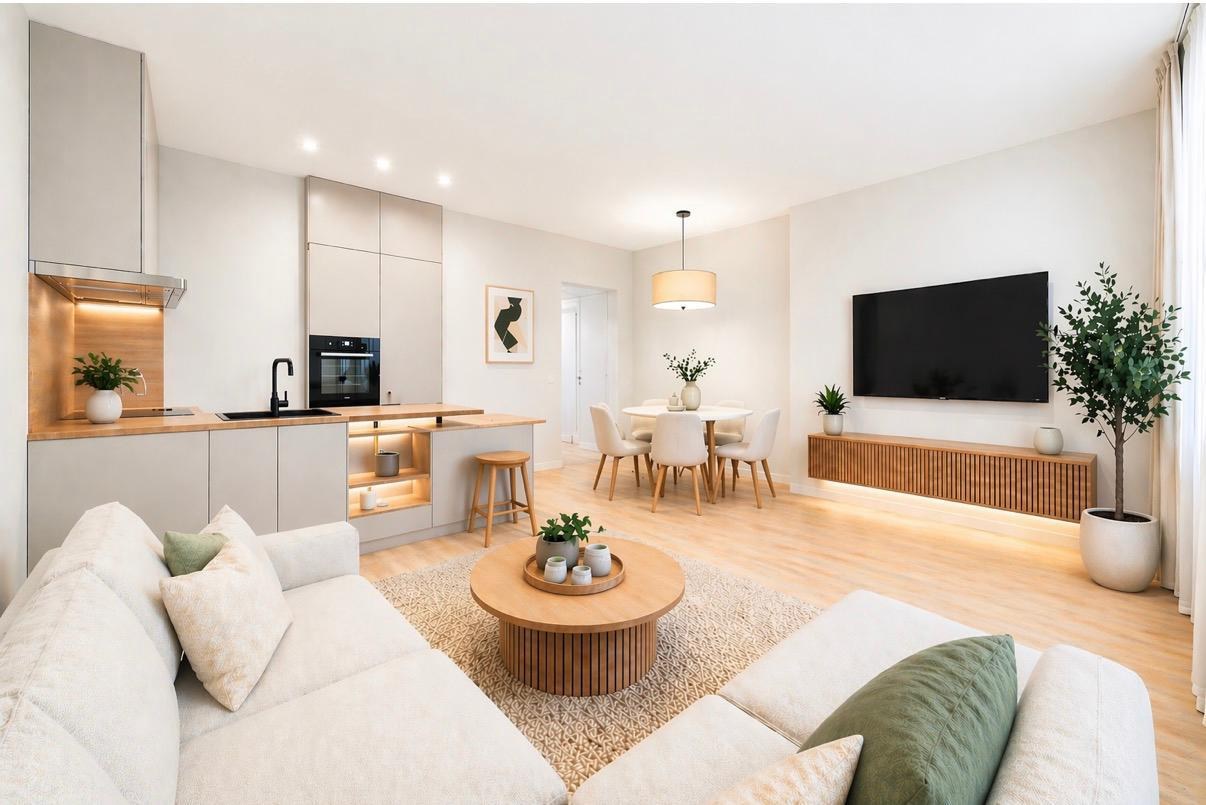
Eleven residences in a fully restored medieval house, two minutes from the Main Square — in the highest-demand short-stay micro-market in Slovakia's capital.
A professionally operated short-stay apartment in Bratislava's Old Town typically achieves a gross yield of 6–9%, with the best-positioned homes reaching above 10%, and a net return of 5–7% after operating costs. Returns rest on three things that are structurally fixed here: scarcity in the protected historic core, consistent visitor demand, and the capital preservation of a freehold heritage address.
The figures below reflect the premium segment — a curated, well-marketed home rather than a copy-paste studio — and are indicative, not a guarantee of return. Bratislava's Old Town runs at roughly 70–75% occupancy for professionally managed listings, against a city average near 60%, with nightly rates in the historic core ranging from €60 for budget stock to well above €150 for distinctive, design-led apartments.
An address in the protected Old Town can only be restored, never newly built. A freehold heritage house with eleven residences and a new lift rarely reaches the market — and the supply cannot grow.
The Old Town historic core is the single highest-demand short-stay micro-market in the city: walking distance to every sight, restaurant and the Danube, drawing year-round leisure and business stays.
Slovak property reached €3,550/m² in 2025, up 13.5% year-on-year, with prime historic-centre stock consistently outpacing the average and holding capital through cycles.
Move the sliders to model gross annual income and yield for a single residence. Defaults reflect the premium Old Town segment. The Staré Mesto accommodation tax of €3.50 per guest per night is collected and remitted automatically by the platform.
The 2023–2026 reconstruction renewed every system a rental home depends on. Each specification translates directly into easier, more profitable operation — especially for an owner managing from abroad.
From 20 May 2026, EU Regulation 2024/1028 standardises short-term-rental registration across the Union, and Slovakia is introducing a national register with mandatory registration numbers. Crucially, Bratislava does not operate ban zones or night caps like Barcelona or Amsterdam — the Old Town simply carries a higher accommodation tax (€3.50 vs €3.00 per guest per night), a pricing difference, not a prohibition.
This is general information on the current framework, not legal or tax advice. Confirm your specific obligations with a Slovak advisor before purchase.
The same residence works as a premium short-stay rental, a mid-term corporate or diplomatic let, a long-term lease, or a personal pied-à-terre in the heart of the capital. Slovakia's capital-gains exemption on residential property held for more than five years further supports a buy-and-hold horizon. The flexibility is itself a hedge: your return does not rest on a single use surviving unchanged.
New to the Slovak market? Our guide to buying property in Slovakia as a foreigner covers who can buy, taxes, capital gains and completing the purchase remotely.
Discuss your strategyProfessionally operated homes in the historic core typically achieve a gross yield of 6–9%, with the best-positioned, well-marketed apartments reaching above 10%. Net returns of 5–7% are typical after management, cleaning, utilities and the accommodation tax. The Old Town runs around 70–75% occupancy for professional hosts, against a city average near 60%.
Yes. Short-stay letting is generally permitted across Bratislava, including the Old Town, within a tax-compliance framework rather than a permit lottery. The city does not publish ban zones or impose an annual night cap on hosting, unlike Barcelona or Amsterdam. The main district distinction is the accommodation tax rate.
From 20 May 2026, EU Regulation 2024/1028 harmonises how registration works across the Union and requires platforms to verify and display a registration number for each listing. Slovakia is creating a national register of short-term accommodation. It standardises registration and data-sharing; it does not set EU-wide caps or decide where letting is allowed.
The accommodation tax in Bratislava's Old Town (Staré Mesto) is €3.50 per guest per night, compared with €3.00 in other districts. The major booking platforms collect and remit it automatically.
Yes. EU and most non-EU nationals can buy residential property in Slovakia in their own name on a freehold basis, with no special permit for apartments, and can let it out. Purchase is completed through a notarised contract and entry in the cadastre.
Gains on the sale of residential property held by an individual for more than five years are generally exempt from Slovak personal income tax (two years if it was your primary residence). Sales within that period are taxed at 19% or 25%. Slovakia also levies no property-transfer tax. Confirm your position with a Slovak tax advisor.
Yes. Each residence functions equally well as a long-term lease or a personal residence in the historic centre. Because the value is anchored in a scarce freehold address rather than one rental model, the asset converts cleanly if your strategy changes.
Residences are delivered as a refined shell with plaster, electrics, heating and a security door in place. Buyers choose floor finishes, tiling, sanitary ware and doors, or opt for a turnkey completion at €350/m² — letting you list and earn without a renovation lead time.
We'll send the full sales documentation, floor plans, the developer price list and an indicative income model for the residence that fits your strategy.
Arrange a viewing & portfolio